Used Drum Sets: What Buyers Need To Know
Buying used drum sets is a smart way to get a quality kit without spending a fortune. The used drum market in the US is full of genuine deals, abandoned starter kits, and a whole lot in between.
Knowing how to spot the good stuff saves you money and a lot of headaches.
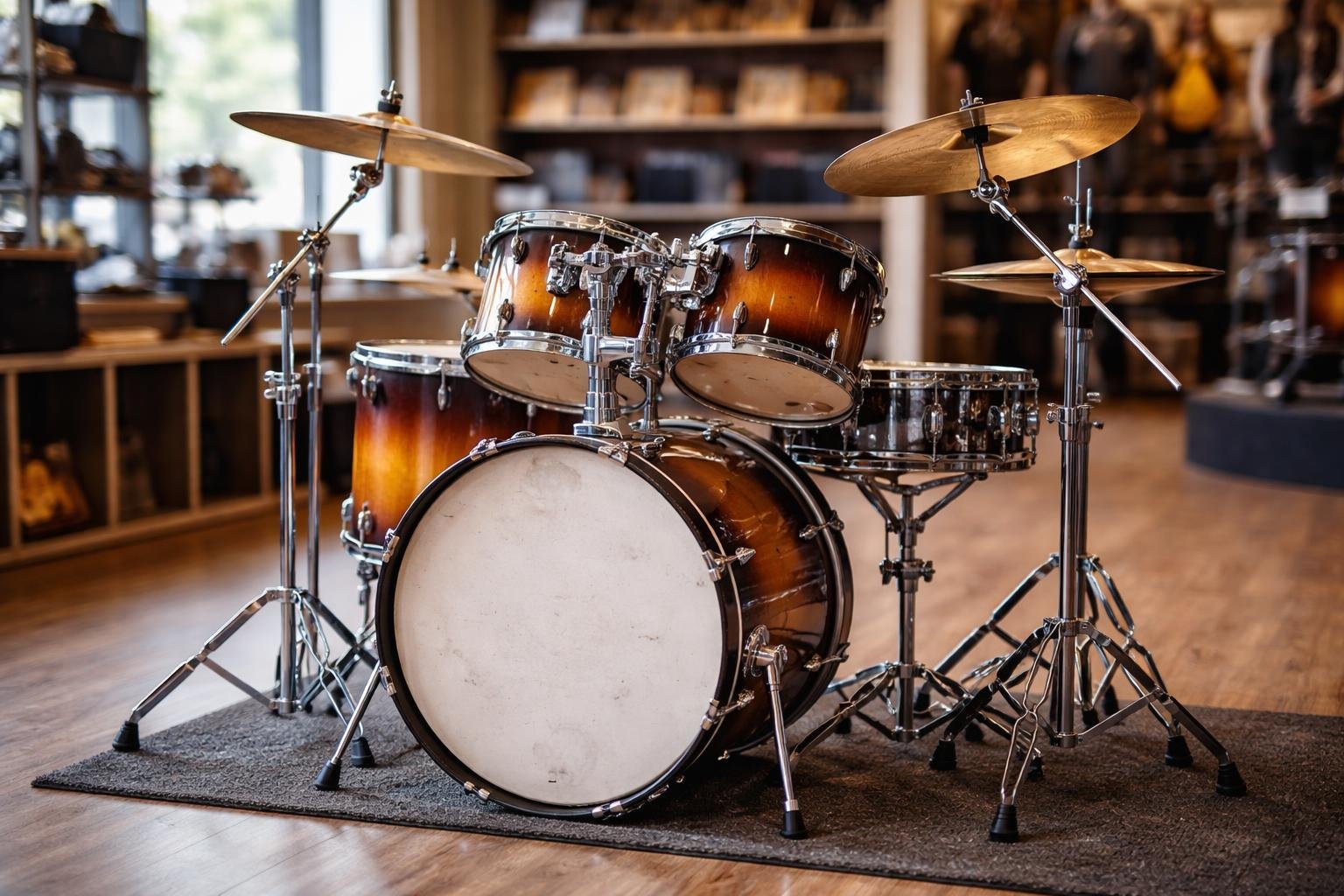
The difference between a great used drum deal and a costly mistake usually comes down to a few specific things: shell condition, hardware integrity, and whether the asking price reflects the kit's actual value.
This guide covers everything from setting a budget to checking bearing edges, so you can buy with confidence.
Whether you’re a beginner looking for a first kit, a parent buying for your kid, or an intermediate player trying to upgrade without breaking the bank, the used market has real options at every price point.
The key is going in with a clear framework instead of just guessing.
Key Takeaways
- Shell condition and bearing edges are the two most critical things to check before committing to any used kit.
- Brand reputation and included hardware have a significant impact on whether the asking price is actually fair.
- Buying a complete used kit is usually simpler and more cost-effective than piecing one together part by part.
Are Used Drum Sets Worth It?
Used drum sets can offer real value, but it depends on what you’re buying, the condition, and what you actually need. Drum shells don’t lose their tone over time like strings or heads do, so a well-maintained used kit can sound just as good as a new one.
When A Used Drum Kit Is A Better Buy Than New
A used drum kit usually makes more sense than new if you’re on a budget. At entry and mid-level prices, you can often get a much better kit used than you could buy new for the same cash.
For example, a mid-level kit from a reputable brand that cost $800–$1,000 new might sell used for $350–$500 if it’s in good shape. That’s a big difference in shell quality, hardware, and overall build compared to a brand-new budget kit at the same price.
High-end gear is also worth buying used. Drummers who buy pro-level kits tend to take care of them, and those kits are built to last decades anyway.
Who Should Buy Used Vs. Buy New
| Buyer Type | Better Option | Reason |
|---|---|---|
| First-time beginner | Used | Lower risk if you stop playing |
| Child or teen starter | Used | Less financial exposure |
| Intermediate player upgrading | Used | More kit for the money |
| Touring or gigging pro | Either | Depends on endorsement deals and durability needs |
| Buyer who wants warranty and support | New | Used gear has no manufacturer coverage |
The Real Cost Of A Cheap Kit
A low asking price doesn’t always mean a low total cost. You have to factor in what you might need to replace right away: drumheads usually cost $15–$30 each, a basic cymbal set can add $100–$200, and hardware gets expensive fast.
If you need new heads on all drums, a new snare batter, a hi-hat stand, and a basic cymbal pack, you could drop another $200–$400 on top of the kit price. Always do the math on total cost before calling something a bargain.
How To Judge Value And Set A Budget
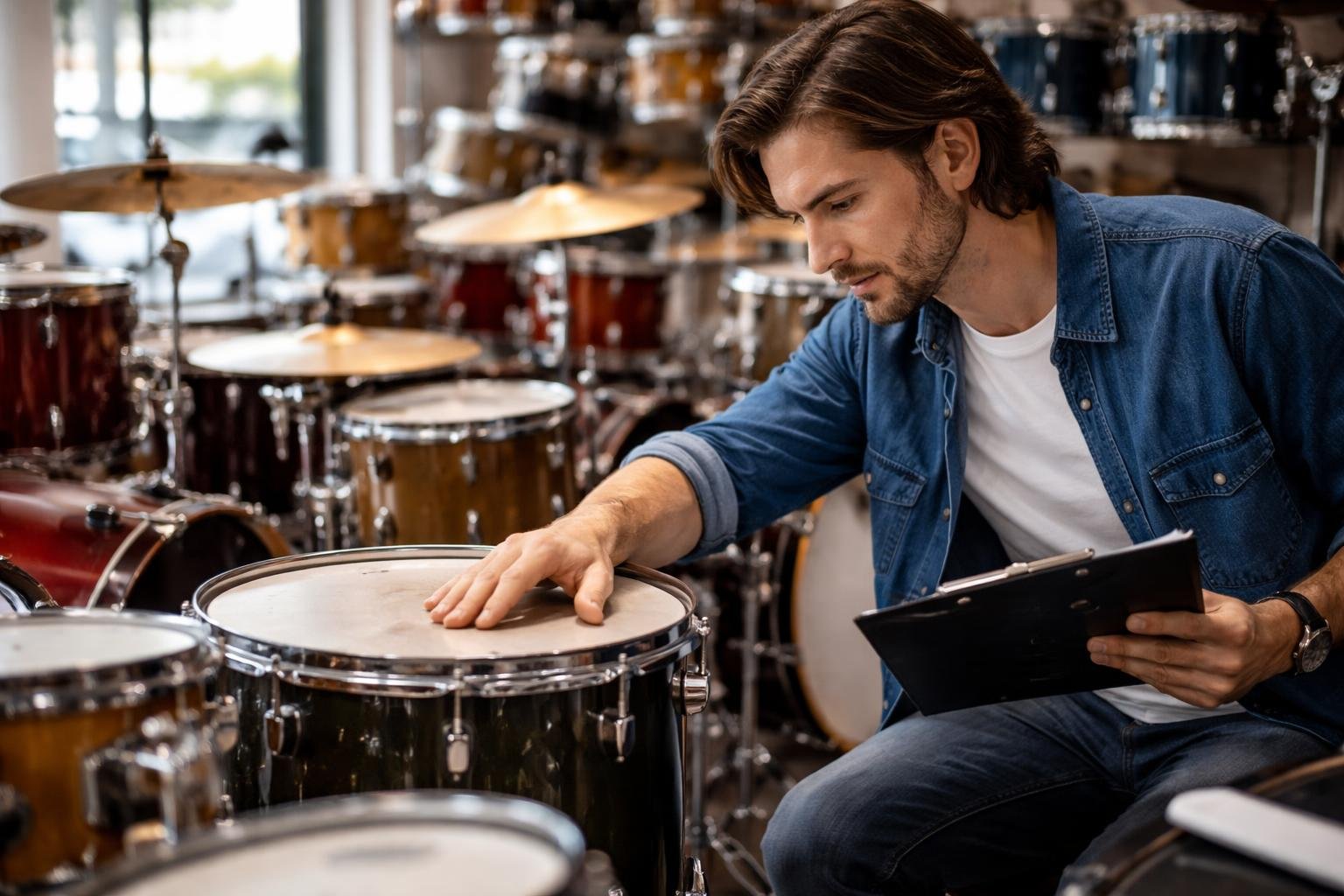
Set your budget before you start shopping. It’s way too easy to get carried away and overpay when you’re excited.
Knowing what a fair price looks like gives you leverage when it’s time to negotiate, and helps you weed out overpriced listings.
What A Fair Asking Price Looks Like
As a rule of thumb, used drum gear in good shape usually sells for 40–60% of its original retail price. If it’s rough or heavily used, expect 20–35%.
Spend a few days browsing current listings on Reverb or Facebook Marketplace before making any offers. Look up the original retail price on the manufacturer’s site or a big retailer. That way, you’ll have a real comparison instead of guessing.
How Drum Brands Affect Resale Value
Brand makes a big difference in the used market. Kits from established manufacturers hold value better and are easier to sell if you decide to move on.
Brands with strong resale value in the US market include:
- Pearl
- Tama
- DW (DW Drums)
- Ludwig
- Gretsch
- Mapex
- Yamaha
Budget-only brands and store-brand kits from big-box retailers don’t hold value well, and finding parts can be a pain. Don’t pay mid-range prices for entry-level brand names.
What Should Be Included In The Price
A good listing should clearly say what’s included and what’s not. At a minimum, a complete used drum kit should have shells, hoops, tension rods, lugs, and at least one head per drum.
Stands, a throne, a bass drum pedal, and cymbals make a kit a lot more valuable. If these are missing, subtract the cost of replacing them before deciding whether the price is fair.
What To Check Before You Buy
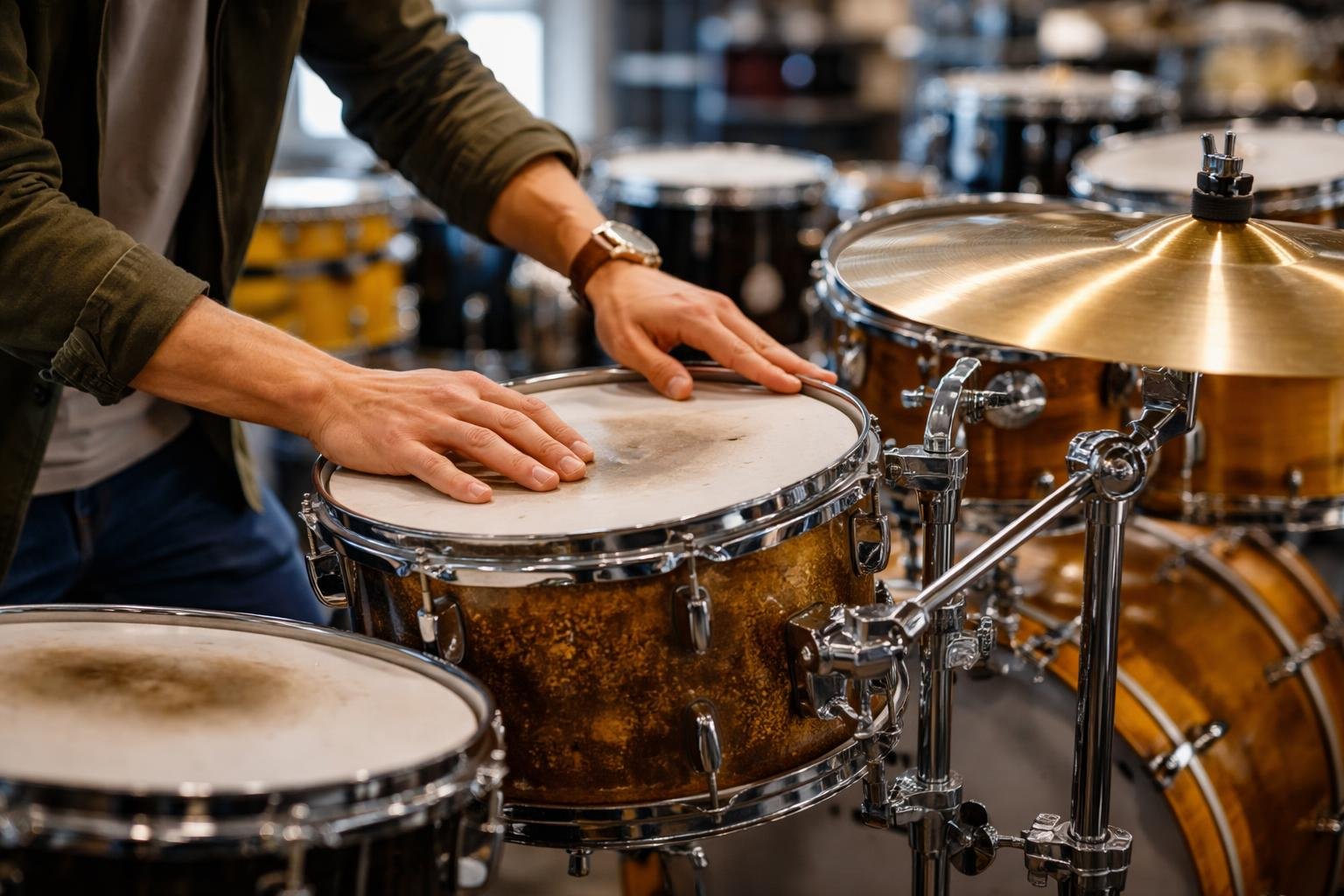
Always check out a used kit in person before paying. Photos and descriptions rarely tell the whole story, and the biggest issues—like bearing edge damage or out-of-round shells—are easy to miss unless you’re hands-on.
Shell Condition And Roundness
Shell roundness is the biggest deal-breaker when buying used drums. If a drum’s out of round, you can’t tune it properly, and there’s really no fixing that except replacing the shell.
Out-of-round shells usually happen from being stored in bad humidity, heat, or moisture for a long time. Watch for wrap that’s peeling badly, weird discoloration inside the shell, or hardware that won’t sit flush.
Measure the drum’s diameter in a few places to check roundness. If it’s out of round by 3mm or more, just walk away. You can also hit the drum and listen—if it sounds decent after a basic tune-up, the shell’s probably fine.
Bearing Edges, Hoops, And Tension Hardware
The bearing edge is where the drumhead meets the shell. If it’s chipped, uneven, or has raised spots, the head won’t seal right and tuning gets weird fast.
If you don’t want to take the heads off, press your finger firmly around the edge with the head on. If you feel a soft or spongy spot, there’s likely damage underneath. If the resonant heads are missing and the kit’s been stored like that, check the edges even more carefully—they lose protection without a head.
Look for cracks or warping in the hoops, and make sure all tension rods screw in smoothly.
Stands, Throne, And Bass Drum Pedal
People often overlook hardware, but it can make or break playability. Test every stand by extending it to playing height and checking if the memory locks hold tight.
The bass drum pedal takes a beating and wears out faster than most other hardware. Check the beater felt, spring tension, and footboard hinge to make sure everything moves smoothly. A worn-out pedal can cost $50–$150 to replace, so keep that in mind.
Heads, Cymbals, And Replaceable Parts
Drumheads are consumable—they don’t matter much for the deal. Worn or dented heads are expected and easy to swap out.
Cymbals are a different story. Check for cracks starting at the edge or bell, and look for deep gouges or keyholing around the bell hole. A cracked cymbal can’t be fixed and should be priced accordingly or left out of the deal. Cosmetic scratches and stick marks? Totally normal, don’t sweat it.
Where To Buy Used Drums Safely
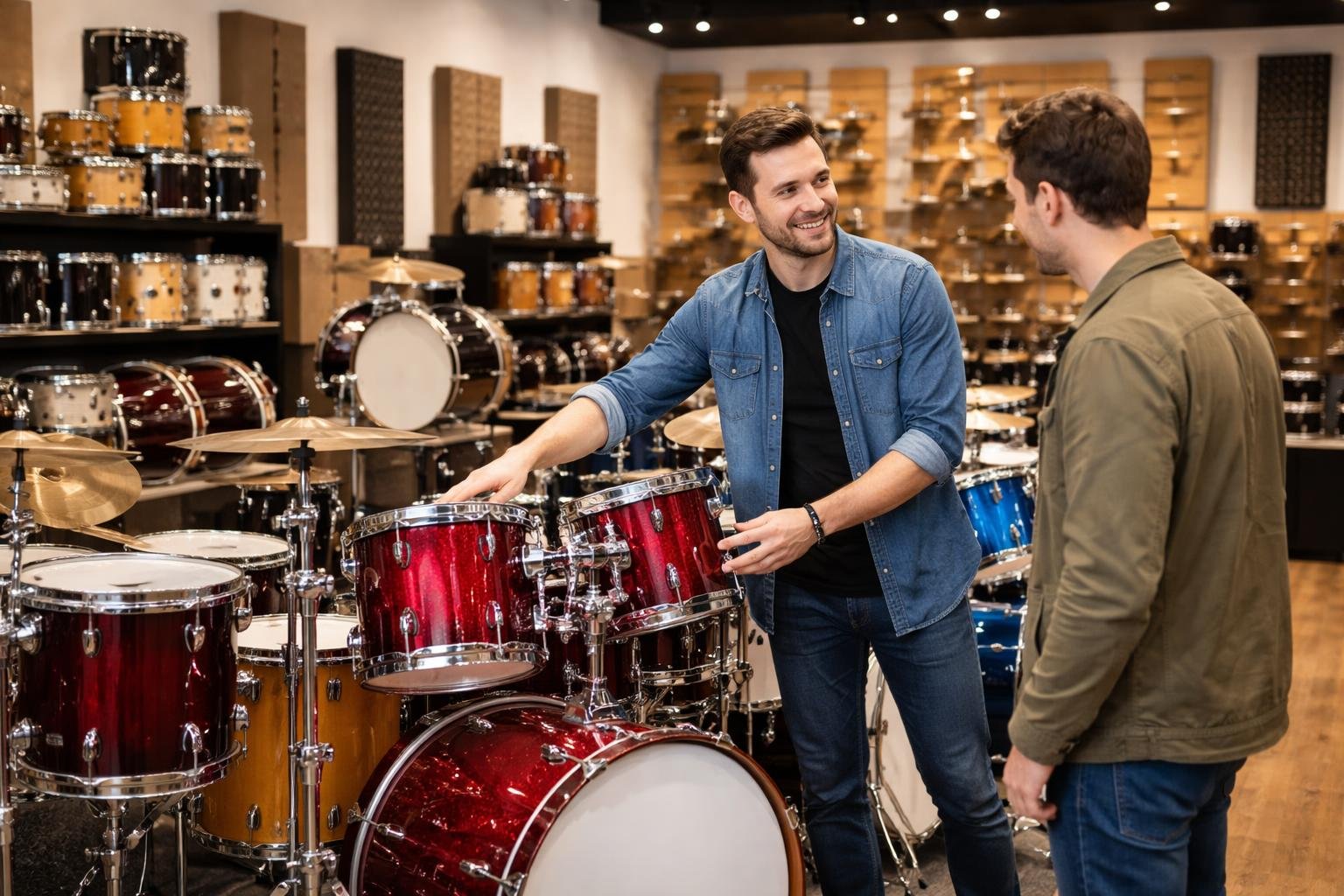
Where you buy used drums affects your safety, price, and how easy it is to check out the gear before buying. Each place has its own pros and cons, so it’s worth knowing what you’re getting into.
Local Music Stores And Pawn Shops
Local music stores with used gear are often the safest bet, especially for first-timers. Staff can usually tell you about the kit’s history, and you get to play everything before buying.
Pawn shops do get used drum gear sometimes, but staff usually don’t know much about the kit’s background or condition. Prices at pawn shops can be all over the place—sometimes they’re a steal, sometimes way too high because of a quick online search.
Reverb, Facebook Marketplace, Craigslist, And eBay
Reverb stands out as the most drum-friendly online platform. It offers a big selection of used drum gear, seller ratings, photos, and sometimes even return policies.
Prices there are usually more accurate than what you’ll find on general marketplaces. That’s a relief if you’re tired of wild pricing swings.
Facebook Marketplace and Craigslist are solid options for local pickups. You get to inspect the gear in person, which is a huge plus.
There’s more risk, though, since you don’t get transaction protection. Still, meeting up lets you actually test the kit before you buy.
eBay gives you buyer protection, but shipping a full kit gets expensive fast and increases the risk of damage.
It’s usually better for hardware, cymbals, or just a shell or two rather than an entire kit.
How To Vet A Seller And Listing
Always look for listings with multiple clear photos, showing different angles. Close-ups of bearing edges, hoops, and cymbals help a lot.
If you see a vague description or a single blurry photo, that’s a red flag. Honestly, I’d skip those unless you’re feeling adventurous.
Check the seller’s feedback on Reverb or eBay. On Facebook, see how long their profile’s been around and whether local musicians know them.
Ask about the kit’s history, how it was stored, and whether any repairs happened. Specific questions make it harder for someone to dodge the truth.
How To Negotiate And Spot Red Flags
The asking price for used drum gear almost never means “final price.” There’s usually room to negotiate, so don’t feel awkward about it.
Knowing what to ask and what to look for can save you a ton of hassle (and money) down the line.
Questions To Ask Before Meeting
Before you drive across town, get answers to these:
- How long have you owned it, and did you buy it new?
- Where has it been stored—garage, basement, or somewhere climate-controlled?
- Are all the original parts still there, or did you replace anything?
- Has any hardware been repaired or changed?
- Why are you selling?
Warning Signs In Photos, Descriptions, And Messages
Here’s what should make you pause:
- Only a couple of photos, or pictures taken in the dark
- Descriptions that skip over condition details
- “Selling as-is” with no real explanation
- Photos showing missing lugs, cracked cymbals, or peeling wrap, but the description ignores it
- Sellers who dodge your questions with generic answers like “sounds great”
If you spot these, the seller might not know the kit’s true condition—or maybe they just don’t want you to know.
When To Walk Away From The Deal
Walk away if the shells are out of round, the bearing edges are cracked or badly damaged, or the seller won’t let you inspect the kit before paying.
If the price won’t budge on a kit with obvious problems, or the seller gets weird when you ask basic questions, it’s time to move on. Sellers with nothing to hide usually welcome honest questions.
Buying A Full Kit Vs. Piecing Together Used Drum Gear
Building a kit from individual used parts sounds fun, but it comes with some real headaches. Usually, buying a complete used kit is easier, cheaper, and way faster.
When A Complete Setup Makes More Sense
For beginners, folks on a budget, or anyone eager to start playing, a complete used kit just makes sense.
You get matched shells, a consistent finish, and all the hardware at once. One price, one transaction, and you’re done.
Piecing together a kit from different listings takes more time and often costs more. You might end up with parts that don’t even match.
When To Buy Shells, Hardware, And Cymbals Separately
If you already have a core kit and just want to upgrade, buying individual pieces works out. Swapping in a better snare or a new crash cymbal is pretty straightforward.
Sometimes you’re after a specific vintage shell or a rare hardware brand. In that case, patience and targeted searching—maybe on Reverb or local groups—will eventually pay off.
Tips For Readers Also Selling Used Drums
If you’re selling used drum gear while you hunt for a new kit, a few things really help your sale:
- Clean the hardware and shells before taking photos
- Swap out obviously worn heads on the snare and bass drum batter side
- Shoot photos in natural light from several angles
- List every piece of hardware you’re including
- Price it based on current Reverb comps, not what you paid new
Frequently Asked Questions
What should I inspect first when evaluating a used drum set in person?
Start with the shells. Measure the diameter at a few points and tap each drum to hear how it responds.
Once you know the shells are solid, check the bearing edges and then the hardware.
Which drum set brands and entry-level lines are best avoided on the used market?
Skip no-name or store-brand kits from big-box stores. They usually have low-quality shells and finding replacement parts is a pain.
Even if the price is tempting, they rarely offer good value. Stick with brands like Pearl, Tama, Yamaha, Ludwig, or Mapex—even for entry-level kits.
How can I tell if drum shells are warped, out of round, or structurally damaged?
Measure the drum’s diameter at several points around the edge. If it varies by more than about 3mm, the shell’s probably out of round.
You can also remove the hoop and see if the head sits flat on the bearing edge or if it wobbles.
What should I look for when buying used cymbals, and when are they not worth it?
Check the edges and the bell area for cracks. Any crack makes a cymbal a no-go—it’s not something you can fix.
Keyholing around the bell is also a big problem. Scratches, stick marks, or some oxidation are just cosmetic and don’t change the sound.
What is a fair price range for a used drum set based on its condition and included hardware?
A used kit in good shape with all the hardware usually goes for 40–60% of the original retail price. If it’s beat up or missing hardware, expect 20–35% of retail.
Think about what you’ll need to replace right away when deciding if the price feels fair.
Do drum kits typically hold their value, and what factors affect resale the most?
Drum kits from well-known brands tend to keep their value better than a lot of other instruments. Brand reputation plays a big part in this.
Condition of the shells matters a lot, too. If the kit is complete and the hardware’s original and actually works, buyers care about that.
Cheap or obscure brands lose value fast. Even at bargain prices, they're tough to sell.