Used Drums vs. New Drums: Which One Should You Buy First?

Every percussionist faces a big choice. It's between a new kit and a used one. This decision is more than just about money. It's about your goals, budget, and who you are behind the drums.
The main question is: do you want to save money now or invest in the future? Buying used drums can save you cash and get you playing sooner. On the other hand, new drums come with warranties and are untouched.
This drum comparison isn't about picking a winner. We aim to help you understand the good and bad of each option. We want you to feel sure and excited about your next drum purchase. Let's explore this drum buying guide together.
Key Takeaways
- Your available budget is the most practical factor shaping your initial choices.
- A used drum set can offer tremendous value if you carefully check its condition.
- New gear provides the latest features, full warranties, and that "out-of-the-box" feel.
- The sound and playability of an instrument are deeply personal; try to test it first.
- Align your purchase with your long-term musical goals, not just an immediate need.
- The resale market for percussion gear is active, affecting both buying and future selling.
- Your first or next kit should inspire you to sit down and play every single day.
The Drum Buyer's Crossroads
Choosing between used and new drums is more than just money. It shows who you are as a drummer. This choice is about passion, practicality, and your goals. We're here to help you decide.
More Than Just a Price Tag
At first, you might think about the cost. But there's more to it. Are you a treasure hunter who loves the history of a used kit? Or do you prefer a precision seeker who wants a new drum's guaranteed quality?
Think about what you need right now. Do you need a drum for a gig soon or are you looking for a long-term investment? Knowing what you need helps you choose the right drum for your life.
Setting the Stage for an Informed Choice
To make a clear choice, we need a plan. We've outlined five key points to consider. This article will guide you through each one.
The table below shows what to think about for both used and new drums. It covers the important areas to consider.
| Decision Factor | Used Drums Consideration | New Drums Consideration |
|---|---|---|
| Cost & Value | Initial price, negotiation, and hidden value. | Retail price, long-term value, and depreciation. |
| Condition & Quality | Inspection, wear and tear, and restoration. | Factory quality, pristine materials, and ready-to-play. |
| Sound & Experience | Broken-in sound, unique character, and possible mods. | Predictable sound, modern standards. |
| Support & Peace of Mind | Sold "as-is," community fixes. | Warranty, customer service, easy parts. |
| Ideal Buyer Profile | Budget-conscious, tinkerers, gigging musicians. | Beginners, advancing players, professionals. |
Looking at each factor helps you make a confident choice. Let's begin this guided tour.
Used Drums vs. New Drums: A Side-by-Side Summary
Let's look at the main differences between used and new drums. This summary is your guide. It shows the key choices before we dive deeper into each option.
The Used Drums Profile
Buying used drums is an exciting journey. It offers savings and unique finds, but you need to be careful.
Top Advantages: Affordability and Unique Finds
The biggest plus is affordability. You can get a high-quality kit for less than a new one. This is great for both beginners and experienced drummers.
The used market is full of surprises. You might find special finishes, rare models, or kits with interesting stories. As one drummer said,
"The perfect used kit finds you. It has a voice already broken in."
Key Disadvantages: Condition Unknowns and No Warranty
The main risk is the unknown. There could be hidden damage or wear. You become the detective.
Also, there's no warranty. Replacing parts or heads is your job, adding extra costs.
The New Drums Profile
Buying a new kit is satisfying. It means you get perfection straight from the factory.
Top Advantages: Guaranteed Quality and Full Support
Buying new means guaranteed quality. Every part meets the maker's standards. The sound is perfect.
You also get a lot of support. This includes a warranty, official parts, and custom options. It's reassuring.
Key Disadvantages: Premium Price and Depreciation
The big drawback is the premium price. You pay for perfection, the latest tech, and the new experience.
Also, new drums lose value quickly. If you plan to sell, their value drops fast. Used drums hold their value better.
In conclusion, this comparison of used drums vs. new drums helps you decide. Your choice depends on your budget, skills, and goals.
Cost and Value: The Financial Reality Check
The price of a drum kit is just the beginning. You also need to think about depreciation, upkeep, and how much it will sell for later. A good drum cost analysis looks at the whole picture, not just the first cost.
Used Drums: Stretching Your Dollar
Buying used drums can save you money. You can get better quality for less. This lets you afford higher-quality shells and hardware.
Real-World Price Examples: Ludwig Accent vs. Tama Superstar
Let's look at some real prices. A new Ludwig Accent CS Combo kit costs about $600. But, you can find a used Tama Superstar Classic for the same price. This is a key part of a smart drum kit price comparison.
Understanding Depreciation and Resale Value
The biggest drop in value happens in the first few years. Used drums have already taken this hit. Brands like Tama, Pearl, and Yamaha keep their value well. A used kit in good shape can sell for almost what you paid for it.
Budgeting for Immediate Upgrades and Repairs
When buying used drums, set aside money for repairs. Aim to save 20-25% of the total cost for immediate needs. Often, the first upgrade needed is new drum heads. You might also need to replace snare wires or tighten loose parts.
New Drums: Investing in the Future
New drums mean investing in quality and reliability. You're paying for a brand-new instrument and a full support system.
MSRP vs. Street Price on Kits Like Pearl Export or Yamaha Stage Custom
The MSRP is just a starting point. The actual price at stores like Sweetwater or Guitar Center is often lower. For example, the Yamaha Stage Custom Birch kit has an MSRP, but it's often on sale for less. Always check the current market price before buying.
The True Cost of Ownership Over Time
New drums have high upfront costs. But, after that, costs are usually low for years. The warranty covers defects, and high-quality hardware lasts longer. This makes budgeting easier.
How New Gear Holds Its Value
A new drum kit from a reputable brand keeps a lot of its value if well-maintained. While it will lose some value, a Pearl Export or Mapex Armory kit in great shape can sell for a good price after a few years. This makes the long-term cost easier to handle.
Drum Kit Price Comparison: Used vs. New Financial Factors
| Cost Factor | Used Drums | New Drums |
|---|---|---|
| Initial Purchase Price | Typically 40-60% of original retail. | Full retail or street price. |
| Typical Additional Costs | New heads, possible hardware repairs. | Often none for the first few years. |
| Depreciation Rate | Slow; major loss already occurred. | Steepest in first 2-3 years. |
| Resale Value | High if kit is desirable and cared for. | Good with proper maintenance and original packaging. |
Condition, Quality, and What to Inspect
The real value of a drum kit is not just its price. It's about its physical state. This is where cost and sound meet the real world of wood, metal, and craftsmanship. A detailed inspection helps avoid disappointment and finds great value.
Buying Used: The Art of the Inspection
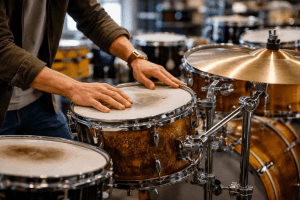
Buying used drums is like a detective mission. You need to check for wear, find any problems, and make sure the kit is solid. A careful second-hand drums analysis is very rewarding.
Critical Checkpoints: Bearing Edges, Shell Integrity, Hardware
Start by checking the bearing edge. This is where the head meets the shell. It should be smooth and sharp all around. Any damage or buildup can harm the sound.
Next, look at the shell itself. Check from the inside for:
- Roundness: The shell should be perfectly round.
- Ply Separation: Look for any signs of wood layers coming apart.
- Cracks: Check for cracks, mainly around vent holes or where hardware mounts.
Lastly, examine the hardware. Make sure all tension rods work well. Check for corrosion or damage on lugs and hoops.
Spotting Deal-Breakers: Cracks, Pitting, and Roundness
Know what to avoid. A cracked shell is a big problem. Deep pitting on hardware can cause it to fail. A shell that's not round right can't hold a head properly. Cosmetic issues are okay, but these are major red flags.
The Reward of a Well-Maintained Vintage Kit
Finding a vintage kit in good shape is a big win. You're not just buying drums; you're getting a piece of music history. This is the best part of finding used gear.
Buying New: The Standard of Perfection
Buying new means you expect nothing but the best. Your inspection focuses on the quality of the manufacturing.
Flawless Finish and Precision Construction
The first thing you should notice is perfection. The finish should be flawless, with no imperfections. This shows the drum quality inside.
Modern Materials and Manufacturing Consistency
Today's factories use advanced machines for perfect accuracy. Shells are round and sanded just right. Bearing edges are precise. This means your drum will sound the same everywhere.
Unboxing Confidence
Buying new gives you a sense of confidence. Everything feels tight and precise. Heads are perfect, hardware is shiny, and everything fits perfectly. This is the joy of buying new drums.
Features, Sound, and the Playing Experience
Let's dive into how used and new drums differ in sound, selection, and feel. This drum quality comparison gets to the heart of your instrument.
The right kit doesn't just make a sound. It inspires a performance. Your choice shapes your musical identity.
The Used Drum Experience
Buying used is like a treasure hunt. It's for players who value story and character as much as sound.
Selection: Hunting for Vintage Sizes and Discontinued Finishes
You won't find these gems in a current catalog. The hunt is for a 20" bass drum, a rare oyster pearl wrap, or a specific era of Gretsch drums.
These non-standard sizes and discontinued finishes offer a unique look and feel you can't replicate. It's about finding a piece of history.
Sound Character: The "Broken-In" Debate and Wood Aging
Many players swear aged wood produces a warmer, more resonant tone. The theory is that years of vibration "open up" the shell's fibers.
There's a played-in feel you can't fake. It's like a favorite baseball glove—it just fits.
This "broken-in" quality can mean quicker head seating and a less aggressive attack. The sound has personality, sometimes including minor quirks.
The New Drum Experience
Buying new is about accessing the cutting edge and achieving tonal consistency. It's a direct path to a specific sonic goal.
Selection: Custom Orders, Latest Models, and Complete Configurations
Walk into a shop or go online. You can order a specific shell-pack configuration from a vast catalog.
Choose from the latest lacquer finishes or innovative shell composites like stabilized birch or hybrid maple. You get exactly what you envision, down to the last detail.
Sound Character: Predictable, Bright, and Consistent Tonal Response
New shells offer a reliable, articulate, and bright baseline. The sound is consistent from drum to drum across the entire kit.
This predictability is a huge advantage. It provides a clean slate you can easily tune to your taste. For many, this makes new drums a strong contender for the best drums for beginners who need a reliable starting point.
| Aspect | Used Drum Experience | New Drum Experience |
|---|---|---|
| Selection | Treasure hunt for vintage, rare, discontinued items. | Custom orders, latest models, complete configurations. |
| Sound Character | Warm, "broken-in," with a unique personality; wood aging effects. | Predictable, bright, and highly consistent across the kit. |
| Overall Feel | Historical, story-driven, with a unique find. | Modern, precise, and tailored to exact specifications. |
Your preference here defines your path. Do you seek a unique voice with a past, or a flawless instrument ready for your future? This core drum quality comparison helps answer that.
Support Systems: Warranty, Parts, and Peace of Mind

When you buy drums, the support system matters a lot. New kits come with warranties, while used ones don't. This makes a big difference in how you feel about your purchase.
The Used Market: "As-Is" and DIY
Buying used drums means you get them "as-is." There's no customer service to call if something breaks later. You rely on your own inspection and the seller's honesty.
Navigating Transactions Without a Safety Net
You need to be proactive when buying used. Document everything and save all messages. Online drum communities can also help a lot.
Finding Replacement Parts for Older Gretsch or Sonor Kits
Looking for original parts can be hard. A missing lug or a broken badge on a vintage drum is hard to find. Online retailers, eBay, and drum forums are your best bets. Finding parts for classic kits takes patience.
"Buying used is an adventure. You're not just buying drums; you're adopting a history and sometimes, a project."
The New Purchase: Full Coverage and Service
Buying from a store is different. You're not just buying drums; you're investing in a relationship with a brand. This gives you a safety net that many players value.
Understanding Manufacturer Warranties from Brands like DW and Mapex
Big brands offer clear warranties. You get lifetime warranties on shells for pro kits and 1-2 years on hardware. Brands like DW and Mapex promise quality and longevity.
Leaning on Your Dealer for Support and Advice
A good drum shop comparison is key. An authorized dealer offers ongoing support. They help with setup, recommend heads, and service hardware. They become a trusted resource, not just a place to buy.
| Support Aspect | Used Drums Path | New Drums Path |
|---|---|---|
| Warranty Coverage | Typically none ("As-Is") | Manufacturer warranty (e.g., lifetime on shells) |
| Parts Availability | DIY search, aftermarket, or vintage specialists | Direct from manufacturer or authorized dealers |
| Technical Support | Community forums and personal research | Dealer advice and manufacturer customer service |
| Long-Term Relationship | With the gear itself and its history | With the brand and the local shop |
Your choice depends on how much security you want. Do you prefer the used market's independence or the new market's support? A drum shop comparison can help. Understanding the DIY reality is key before buying used.
Who is the Ideal Used Drum Buyer?
Meet the drummers who love buying used drums. They see it as a smart choice, not a compromise. It fits their budget and style perfectly.
The First-Timer on a Tight Budget
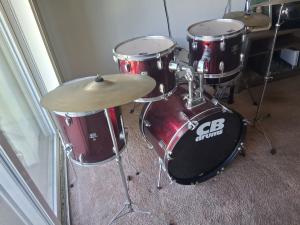
This drummer is starting out. They want quality sound but don't have much money. Used drums offer high quality for a low price, better than cheap new ones.
They're good at finding deals and taking care of their drums. The best second-hand drums tips help them get the most value. They learn fast without spending a lot.
The Tinkerer and Vintage Collector
This buyer loves history and craftsmanship. They seek out rare drums like vintage Ludwigs. Finding a unique drum is part of the fun.
They enjoy fixing up old drums. It's not just about the sound, but the heritage. They want drums with character, not just new ones.
The Working Musician Needs a Secondary Kit
This pro has a main kit but needs a backup. A used drum set is perfect for gigs or festivals. It's practical and reliable.
They look for drums that sound good but won't break the bank if damaged. They can quickly tell if a drum is ready for gigs. Buying used is a smart move for them.
Ultimately, the best used drum buyer is hands-on and patient. They see the value in drums with a history. If that's you, the used market is waiting.
Who is the Ideal New Drum Buyer?

For many drummers, a new kit is more than just a shiny look. It's a solid start for their musical journey. New drums offer consistency, innovation, and peace of mind. This part of our drums buying guide looks at who needs a new kit most.
The Beginner Who Values Simplicity and Reliability
Starting out is tough enough without gear issues. The ideal beginner wants a kit that works right away. They want to learn without worrying about their drums.
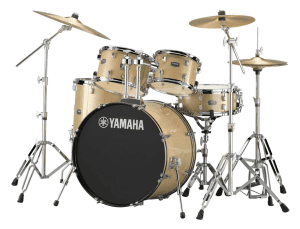
This player values their time and wants to focus on learning. A new drum set from brands like Yamaha, Pearl, or Tama is perfect. It's guaranteed to work well from the start.
The higher cost is worth it for a stress-free start. It's an investment in a smooth learning experience.
The Advancing Player Investing in a Long-Term Tool
This drummer has outgrown their starter kit. Their skills and taste have improved. They're ready to invest in a kit that will last for years.
They seek specific sounds, quality, and durable hardware. Brands like DW, Sonor, or Mapex high-end lines are ideal. This buyer is investing in their craft's future. They want the latest technology and confidence in their drums.
The Professional Requiring Specific, Uncompromised Gear
For the working pro, downtime is not an option. Their drums are key to their career and art. They need drums that meet exacting standards for sound and durability.
They might need custom setups or specific finishes. Brands like Ludwig, Gretsch, or Noble & Cooley offer the best. A new kit ensures they get what they need, with full support and warranty. It's about top performance and reliability.
| Buyer Profile | Primary Motivation | Key Considerations | Ideal Kit Traits |
|---|---|---|---|
| The Beginner | Simplicity & a guaranteed start | Ease of setup, included hardware, reliable tuning | Complete shell packs from major brands (e.g., Yamaha Stage Custom) |
| The Advancing Player | Long-term investment & tonal growth | Shell composition, hardware quality, sonic versatility | Professional or high-end intermediate series (e.g., DW Design Series) |
| The Professional | Uncompromised, specific performance | Custom options, roadworthiness, brand prestige/sound | Top-tier or custom shop kits (e.g., Gretsch USA Custom, DW Collector's) |
Knowing which profile you fit can make choosing easier in our drums buying guide. If you value security, precision, and a flawless start, a new drum kit is for you.
Actionable Buying Strategies for Both Paths
Whether you're looking for a vintage drum or a new one, a smart plan is key. We'll cover the steps for each path.
Mastering the Used Drum Hunt
Finding a great used kit is like solving a mystery. Knowing where to look and what to check is your secret power.
Best Places to Shop: Reverb, Local Classifieds, Pawn Shops
Your choice of where to shop affects your hunt. Each place offers different things: selection, price, and risk.
| Marketplace | Best For | Key Consideration |
|---|---|---|
| Reverb | Wide selection, brand-specific searches, seller ratings. | Prices can be higher; shipping costs add up. |
| Local Classifieds (Craigslist, Facebook) | Best deals, local pickup, seeing the kit in person. | Requires more vetting; meet in safe, public places. |
| Pawn Shops | Impulse finds and possible negotiation. | Inspection is critical; kits are sold strictly "as-is". |
Your Pre-Purchase Inspection Checklist
Don't buy without checking first. If you can see it, go through this quick list:
- Shells: Look for deep scratches, cracks, or water damage.
- Bearing Edges: Check for nicks or warping—this is key for sound.
- Hardware: Test lugs, tension rods, and stands for smooth operation.
- Heads: Assume they need replacing, but note their condition.
For online buys, ask the seller for detailed photos of these areas.
How to Negotiate Fairly and Avoid Scams
Be respectful but informed. Mention any wear items (like old heads) to lower the price. For online sales, only use secure payment methods. Watch out for red flags like sellers refusing more photos or pushing for wire transfers.
Navigating the New Drum Purchase
Buying new means you get support and certainty. Your strategy is about where and when to buy.
Choosing Between Local Drum Shops and Major Retailers
Local shops offer expert advice and may price-match. They let you try gear on the spot. Major online retailers have a wide selection, easy returns, and competitive deals. Think about what matters more to you: personal service or convenience.
Timing Your Buy: Sales Seasons and Demo Specials
Holidays like Black Friday and Memorial Day often have sales. Also, ask about demo or floor models. These are new kits played briefly in-store and sold at a discount—a great way to save money.
The Importance of Hearing Drums in Person
This is a must. Two kits of the same model can sound and feel different. Sitting behind a kit tells you everything specs can't. This hands-on test is a key new drums advantage, ensuring you love your investment for years.
Conclusion
Choosing your first drum set is a personal journey. We've looked at the choices between used drums and brand new drums.
Used kits offer great value and a unique character. They have a history you can feel. On the other hand, brand new drums come with warranties and a fresh feel.
The sound is what matters most. A used kit with a great sound can beat a new one with a bad sound. Your budget and comfort with inspection are important.
There's no one right answer for every drummer. The best choice depends on your goals. Are you on a tight budget or investing in a lifelong tool?
Trust your ears and your gut. Play the drums before buying them if you can. Feel the response of the heads and the resonance of the shells.
Whether it's a vintage find or a brand new set, the goal is the same. You need a kit that makes you want to play every day.
That inspiration is the best return on your investment. Start your search with confidence. Focus on what makes you want to play.
FAQ
Q: Should I buy used drums or new drums as my first kit?
Q: Are used drums really a better value than new drums?
Q: What are the biggest risks when buying used drums?
Q: What are the main advantages of buying new drums?
Q: Do new drums sound better than used drums?
Q: I'm not a handy person. Can I buy used drums?
Q: Where is the best place to buy used drums?
Q: When is the best time to buy new drums?
Q: How much should I negotiate on a used drum set?
Q: Can I upgrade a used drum kit to make it sound like new?
DISCLAIMER
This document is provided for general information purposes only and should not be relied upon as providing legal advice, technical, or specific operational guidance to the reader, whether as to the practices described in the document or the applicable legal requirements and regulations. percussionpros.com expressly disclaims any responsibility for liability arising from or related to the use or misuse of any information in this document.