5 Ways to Learn Speed Drumming: Master Fast Techniques
Every drummer dreams of that moment when their hands move like lightning across the kit, creating explosive fills and rapid-fire beats that energize an entire song. Speed drumming isn't just about showing off—it's about expanding your musical vocabulary and unlocking new possibilities in your playing.
But the journey to faster drumming often feels frustrating. You practice for hours, yet that breakthrough speed seems just out of reach. The good news? You don't need superhuman abilities to play faster. With the right approach, proper technique, and consistent practice, you can dramatically increase your drumming speed.
In this guide, we'll explore five proven ways to develop your speed drumming abilities, from fundamental techniques to advanced practice strategies. Whether you're looking to master blazing metal beats or quick jazz patterns, these methods will help you break through your speed barriers.
Get Your Free Speed Drumming Starter Pack
Download our comprehensive exercise sheet with 15 progressive drills designed to build speed gradually. Perfect for drummers of all levels!
1. Master the Fundamentals of Hand Technique

Proper hand technique is the foundation of speed drumming
Before you can play fast, you need to play right. Many drummers struggle with speed because their fundamental technique creates unnecessary tension and inefficient movement. The foundation of speed drumming begins with proper stick grip and hand positioning.
The Moeller Technique
One of the most effective approaches for developing speed is the Moeller technique. This method uses a whipping motion that allows you to create multiple notes with a single arm movement. The key is to harness the stick's natural rebound rather than forcing each stroke.
The basic Moeller stroke consists of three components:
- The downstroke (accent)
- The tap (lower volume follow-up)
- The upstroke (preparation for the next sequence)
By mastering this technique, you can play three notes with the energy normally required for one, dramatically increasing your potential speed while reducing fatigue.
Finger Control
Your fingers play a crucial role in speed drumming. Many drummers rely too heavily on their wrists and arms, neglecting the speed potential in their fingers. Practice exercises that isolate finger control, starting with simple finger taps on a practice pad before incorporating them into your drumming.
Remember that relaxation is essential. Tension is the enemy of speed—the more relaxed your hands remain, the faster you'll be able to play. Maintain a loose yet controlled grip on your sticks.
2. Progressive Metronome Practice
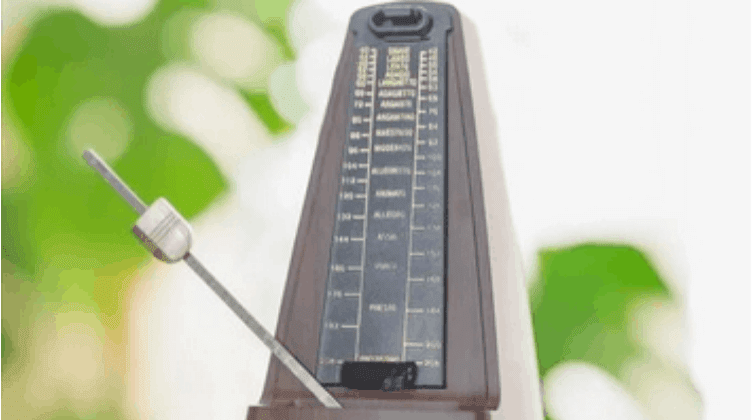
Consistent metronome practice is key to building controlled speed
The metronome is your most valuable tool for developing speed. It provides the structure and discipline needed to build speed methodically rather than haphazardly. Many drummers make the mistake of trying to play too fast too soon, resulting in sloppy technique and plateaued progress.
The 10 BPM Method
Start by selecting a basic pattern—single strokes, double strokes, or a simple beat. Set your metronome to a tempo where you can play the pattern perfectly with complete control. Practice at this tempo until it feels comfortable and relaxed.
Then, increase the tempo by just 5-10 BPM and repeat the process. This incremental approach might seem slow, but it builds a solid foundation of muscle memory at each speed level. The key is patience—hurry through this process and you'll develop bad habits that ultimately limit your speed potential.
Burst Training
Another effective metronome technique is burst training. Set your metronome to a moderate tempo and play a pattern for 4 measures at normal speed, then play 1 measure at double speed, then return to normal speed. As you improve, increase the duration of your high-speed bursts.
This approach trains your muscles to handle short bursts of speed, gradually building endurance for sustained fast playing. Remember to always return to a tempo where you maintain perfect control.
Take Your Speed to the Next Level
Our comprehensive Speed Drumming Exercise Pack includes video demonstrations of all techniques mentioned in this article, plus 10 additional exercises not covered here.
3. Build Endurance Through Repetition

Consistent repetition builds the muscle memory needed for speed
Speed drumming requires not just technique but physical endurance. Your muscles need to be conditioned to maintain rapid movements over extended periods without fatigue or cramping. This is where dedicated repetition comes into play.
The 70-80% Rule
When practicing for endurance, work at approximately 70-80% of your maximum speed. This "sweet spot" allows you to maintain proper technique while still challenging your muscles. Playing at this controlled speed builds stamina more effectively than constantly pushing your absolute limits.
Start with 3-5-minute continuous-play sessions, then gradually increase the duration as your endurance improves. Focus on maintaining consistent dynamics and timing throughout the exercise.
Pyramid Exercises
Pyramid exercises are excellent for building endurance. Start with single strokes at a moderate tempo, gradually increasing speed to your maximum controlled tempo, then work your way back down. This approach trains your muscles through a full range of speeds in a single exercise.
For example, play single strokes for 30 seconds at 60 BPM, then 70 BPM, then 80 BPM, continuing up to your maximum speed, then work back down to 60 BPM. As your endurance improves, extend the time at each tempo level.
4. Develop Ambidexterity

Strengthening your weaker hand is crucial for balanced speed
One of the biggest limitations to drumming speed is the imbalance between your dominant and non-dominant hands. Your overall speed is only as fast as your slowest hand, making ambidexterity development essential for speed drumming.
Weak Hand Focus
Dedicate specific practice time solely to your weaker hand. Start with basic exercises like single strokes, focusing on matching the sound, feel, and control of your dominant hand. When practicing rudiments or patterns, start with your weaker hand rather than automatically leading with your dominant hand.
This approach might feel frustrating at first, but the payoff is tremendous. As your weaker hand catches up in strength and control, your overall speed potential increases dramatically.
Mirror Exercises
Mirror exercises are particularly effective for developing ambidexterity. Whatever pattern you play with your dominant hand, immediately mirror it with your non-dominant hand. Start with simple patterns and gradually increase complexity as your coordination improves.
For example, play a simple 16th note pattern on the snare with your right hand leading, then immediately play the same pattern with your left hand leading. This balanced approach ensures both hands develop equally.
5. Use Progressive Exercise Systems
Systematic progression is key to building speed safely
Random practice might yield some results, but a structured, progressive exercise system will accelerate your speed development dramatically. These systems are designed to build speed methodically, addressing all aspects of technique in a logical sequence.
Single Stroke Roll Development
The single stroke roll is fundamental to speed drumming. A progressive approach to mastering it might look like this:
- Quarter notes: Focus on perfect technique and relaxation
- Eighth notes: Maintain the same quality of stroke
- Eighth note triplets: Begin to challenge your speed
- Sixteenth notes: Push your control at higher speeds
- Sextuplets: Advanced speed development
For each step, start slow and gradually increase tempo only when you can maintain perfect technique. This methodical progression builds a solid foundation for speed.
Rudiment Combinations
As you advance, incorporate rudiment combinations that challenge your coordination while building speed. For example, alternate between single strokes and double strokes, or combine paradiddles with flams.
These combinations force your brain and muscles to adapt to changing patterns at speed, developing the flexibility needed for real musical application of your speed techniques.
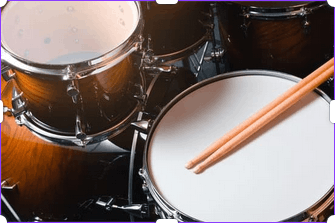
A well-organized practice setup helps maintain focus during speed development
Practical Speed Drumming Exercises to Try Today
Exercise 1: Single Stroke Control
Set your metronome to 60 BPM and play single strokes as 16th notes (four notes per click). Focus on maintaining perfectly even spacing and volume between strokes. Practice for 2 minutes, then increase the BPM by 5. Continue until you reach a tempo at which your control begins to falter, then back down by 10 BPM and practice at that sustainable speed.
Single-stroke control is fundamental to speed development
Exercise 2: Moeller Technique Triplets
Practice the Moeller technique by playing triplets (down-tap-up) with each hand. Start at 60 BPM and play continuous triplets, focusing on the whipping motion and letting the stick do the work. The key is to use a single arm motion to produce all three notes, maximizing efficiency. As you improve, gradually increase the tempo in 5 BPM increments.
The Moeller technique creates multiple notes with one motion
Common Speed Drumming Mistakes to Avoid
Recognizing and correcting technique issues is crucial for speed development
Tension and Grip Issues
The most common obstacle to speed is unnecessary tension. Many drummers grip their sticks too tightly when playing fast, creating tension that slows them down. Focus on maintaining a relaxed grip even as you increase speed.
Check your technique regularly for signs of tension: white knuckles, sore forearms, or a "death grip" on your sticks. If you notice these signs, immediately reduce your tempo and refocus on relaxation.
Rushing the Process
Speed development takes time. Trying to rush the process by practicing at tempos beyond your control leads to sloppy technique and ingrained bad habits that will ultimately limit your speed potential.
Be patient with the process. Consistent practice at controlled tempos will yield better long-term results than sporadic attempts at maximum speed. Remember that every professional speed drummer developed their skills through years of methodical practice.
The ultimate goal: applying your speed techniques in musical contexts
Equipment Considerations for Speed Drumming
Stick Selection
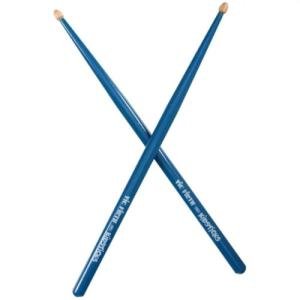
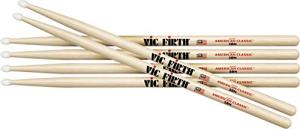
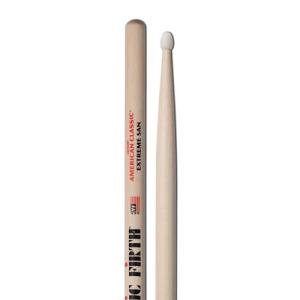
Your choice of sticks can significantly impact your speed potential. For practice, consider using slightly heavier sticks than normal. This builds strength and makes your regular sticks feel lighter and faster when you switch back.
Experiment with different stick weights and tips to find what works best for your playing style. Many speed drummers prefer lighter sticks with nylon tips for quick response and articulation.
Practice Pad Benefits
A quality practice pad is invaluable for speed development. It provides consistent rebound and allows you to focus purely on technique without the variables of a full drum kit.
Consider keeping multiple practice surfaces available—some with higher rebound for speed work and others with lower rebound for strength work. Alternating between these surfaces develops adaptability in your technique.
Ready to Transform Your Drumming Speed?
Download our comprehensive Speed Drumming Exercise Pack featuring 25 progressive exercises, video demonstrations, and a 30-day practice plan designed to increase your speed and control dramatically.
Conclusion: Your Path to Speed Drumming Mastery
Developing speed on the drums is a journey that requires patience, dedication, and proper technique. By focusing on these five key areas—hand technique fundamentals, progressive metronome practice, endurance building, ambidexterity development, and systematic exercise progression—you'll create a solid foundation for impressive speed drumming.
Remember that speed is not just about moving your hands quickly; it's about efficiency, control, and musicality. The best speed drummers aren't just fast—they're precise and expressive with their speed.
Start implementing these techniques today, be consistent with your practice, and you'll be amazed at how your speed develops over time. The journey to becoming a faster drummer is challenging but incredibly rewarding. Your dedication will pay off in expanded musical possibilities and the satisfaction of mastering a skill that once seemed out of reach.
Now pick up those sticks and start your speed drumming journey!
DISCAIMER
This document is provided for general information purposes only and should not be relied upon as providing legal advice, technical, or specific operational guidance to the reader, whether as to the practices described in the document or the applicable legal requirements and regulations. Percussion Pros.com expressly disclaims any responsibility for liability arising from or related to the use or misuse of any information in this document.