Drum Posture: Tips for Proper Positioning
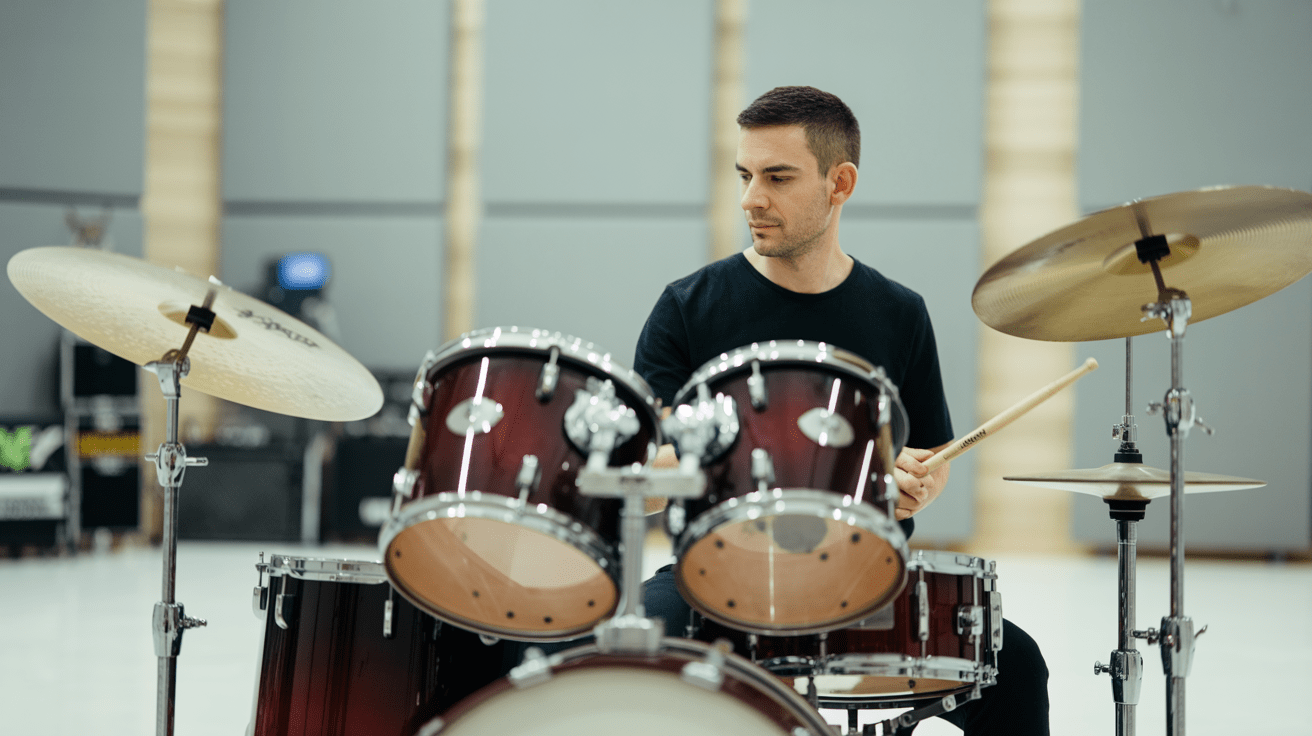
Maintaining proper drum posture is crucial to achieving great performance and preventing injuries. As a drummer, I've found that having the right setup is essential for playing comfortably.
To get into the right spot, start by adjusting the height of your drum throne. The best spot is when your hipbone is a bit above your knee. This lets your leg move freely. This ergonomic adjustment reduces strain during extended play sessions.
Getting your position right isn't just about feeling good; it boosts your drumming too. By paying attention to drumming ergonomics, you can sharpen your skills and have more fun playing.
Key Takeaways
- Adjust your drum throne height for optimal comfort and performance.
- Ensure your hipbone is above your knee for natural leg movement.
- Focus on drumming ergonomics to enhance your technique.
- Proper posture helps in preventing injuries during extended play.
- A well-adjusted setup improves your overall drumming experience.
The Impact of Proper Drum Posture on Your Playing
Keeping the right drum posture is key for a great show. When I work on my drumming mechanics, my stage presence and confidence soar.
Key Benefits of Proper Posture
Good drumming posture exercises boost my technique and lower injury risks. The best posture lets me play for longer without pain.
Identifying the Need for Adjustment
If I feel pain in my back, arms, or legs while drumming, it's time to adjust my technique. I use ergonomic drum tips to adjust my throne height and drum kit position.
By focusing on drumming posture exercises and maintaining the correct posture, I enhance my drumming. This makes my performances more engaging.

FAQ
Q: What is the ideal height for my drum throne?
A: Your drum throne should be at a height that lets you sit with your legs straight. Your feet should be flat on the pedals, and your back should be straight. Adjust the throne so you can play the bass drum comfortably without straining your leg.
Q: How do I know if my drumming posture is correct?
A: Check your posture by feeling comfortable and aligned while playing. Ensure your back is straight, shoulders are relaxed, and your arms are at a good angle. If you feel pain or discomfort, it's time to adjust your posture.
Q: What are some exercises to improve my drumming posture?
A: To better your posture, do exercises that strengthen your core and improve flexibility. Try planks, bridges, and shoulder rolls. Also, play with good posture and take breaks to stretch.
Q: Can poor drumming posture lead to injuries?
A: Yes, bad posture can cause injuries like back strain, shoulder tension, and repetitive strain injuries. Always maintain good posture to avoid these injuries and play more effectively.
Q: How often should I adjust my drum kit setup?
A: Adjust your drum kit setup whenever you need to stay comfortable while playing. Check your setup regularly and make adjustments if you experience any discomfort or pain.
Q: What are some ergonomic tips for drummers?
A: For better ergonomics, position your drum throne at a comfortable height and pedals at a good angle. Also, arrange your drums and cymbals to reduce stretching and reaching. Try different setups to find the one that works best for you.
Q: How can I maintain good drumming posture during long performances?
A: To keep good posture during long shows, take breaks to stretch and stay hydrated. Be mindful of your alignment. Practice playing with good posture during rehearsals to build healthy habits.