
Are you a beginner looking to start your drumming journey? Electronic drums offer an exciting and versatile way to dive into the world of music.
Whether you want to practice quietly at home or integrate modern tech into your drumming, electronic drum sets are perfect for you.

From understanding how electronic drums work to setting up your first kit, this guide covers all the essentials.
With so many options available, choosing the right set might feel overwhelming, but there are excellent choices that cater specifically to beginners.
The Alesis Nitro Max and Roland V-Drums TD-02KV are some of the best-reviewed sets for those just starting out.
Once you have your kit, learning to play and practice effectively will be your next steps. This guide will also provide tips on enhancing your sound and even playing with others, ensuring your drumming journey is as enjoyable and rewarding as possible.
Key Takeaways
- Electronic drums offer a versatile and quiet way to practice.
- The Alesis Nitro Max and Roland V-Drums TD-02KV are top choices for beginners.
- Effective practice and sound enhancement tips make drumming enjoyable.
Understanding Electronic Drums
Electronic drums offer unique features such as volume control and the ability to play with headphones. They have evolved significantly over the years, providing an alternative to traditional acoustic drums.
Acoustic Vs. Electric Drum Kits
Acoustic drum kits are loud and have a strong physical presence. They come with drum shells and cymbals that produce sound through vibrations.
On the other hand, electronic drum kits use pads made from rubber or mesh. These pads are hit with drumsticks, triggering electronic sounds via drum modules.
Key brands like Roland V-Drums, Alesis, and Yamaha offer various models suitable for different skill levels.
One major advantage of electronic kits is volume control. Players can practice silently using headphones, making them ideal for apartment living.
Components of an Electronic Drum Set
An electronic drum kit consists of several important parts.
Pads are used instead of traditional drumheads.
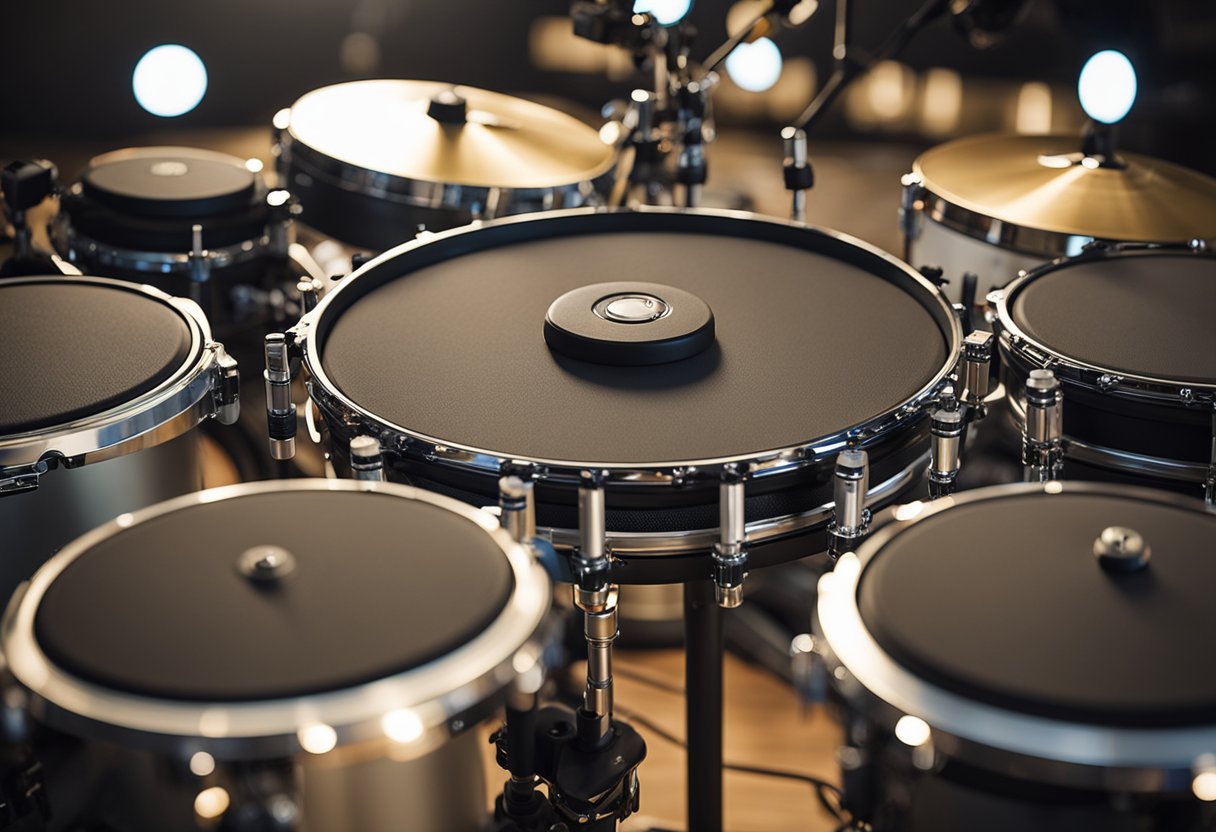
Rubber pads and mesh pads are two common types, with mesh pads offering a more realistic feel.
The drum modules act as the brain of the kit, housing various sounds and settings.
The kick drum pad is another crucial component, mimicking the bass drum in an acoustic set.
Additionally, electronic kits often come with cymbal pads and hi-hat controllers.
Brands like Roland and Yamaha produce high-quality components that are widely used.
Evolution of Electronic Drums
Electronic drums have come a long way since their inception in the 1970s. Early models were basic and had limited sound capabilities.
The introduction of advanced technology has improved their functionality.
Brands like Roland V-Drums pioneered many innovations, including better drum modules and more responsive pads.
Models like the Roland TD-17KVX-S provide a playing experience close to that of an acoustic drum kit.
The evolution has led to more versatile and durable kits that are now popular across various music genres.
Advantages of Going Electronic
One of the biggest advantages of electronic drums is their volume control. Unlike acoustic kits, they can be played quietly, which is perfect for practice sessions in shared living spaces.
Electronic kits also offer a wide variety of sounds, from traditional drum kits to electronic beats. This allows for greater creative flexibility.
They are compact and portable, making them suitable for small spaces.
Additionally, using headphones means drummers can practice without disturbing others. The ability to connect to computers for recording enhances their utility for budding musicians.
Brands like Roland, Alesis, and Yamaha provide reliable and high-quality options for beginners and professionals alike.
Setting Up Your Electronic Drum Kit
Setting up your electronic drum kit involves choosing a suitable location, assembling the hardware, and ensuring proper connections for optimal performance.
Choosing the Right Location
Selecting the right location is crucial for the performance and longevity of your electronic drum kit.
Consider a clean, stable, and flat surface in a spacious area like a studio or a designated spot at home.
Ensure there's enough room for the rack and all the drum and cymbal pads.
Avoid placing the kit near windows or heat sources to prevent damage to the electronic components.
Adding a rug under the kit can help absorb vibrations and keep it stable.
Compact kits like the Roland TD-02K are ideal for smaller spaces.
Assembly Instructions
Start by unboxing your kit and laying out all the components.
Assemble the rack first, ensuring all clamps are secure but not overly tight.
Mount the drum and cymbal pads according to the manufacturer's instructions.
Position the kick tower in front of your right foot, and attach the bass drum pedal.
Set the hi-hat pedal for easy access with your left foot.
Connect the pads to the rack in a mock-up format to check the positioning.
Install the drum module in an accessible spot on the rack and connect it using the labeled cables.
Ensure all connections are tight and secure.
Connecting to Audio Outputs
Once the assembly is complete, focus on connecting the drum kit to audio outputs.
Plug the drum module into a power supply and switch it on.
Use headphones or an amplifier to hear the sound.
Many modules feature multiple audio input and output options, including bluetooth connectivity for wireless sound.
To connect your kit to speakers, use the appropriate cables as indicated in your drum module's manual.
Securely connect each drum pad to its corresponding input on the drum module.
For a studio setup, ensure all connections are free from interference and check for any signal disruptions.
Selecting Your First Electronic Drum Set
Choosing the right electronic drum set involves considering your budget, desired features, and overall value for your investment as a beginner. Here, we'll explore different options—from budget-friendly to high-end models—and key features to keep in mind.
Budget-Friendly Options
For beginners, affordable electronic drum sets like the Alesis Nitro Mesh and Alesis Turbo Mesh offer tremendous value.
These kits feature mesh heads for a more realistic drumming experience compared to rubber pads. They're also known for easy setup and good build quality.
Key features often include built-in drum kits, practice modes, and basic connectivity options like USB. While simpler, these sets provide all the essentials for a beginner to start playing and practicing effectively.
Mid-Range Models
Stepping up, mid-range electronic drum sets such as the Roland TD-1DMK and Yamaha DTX402K offer a balance between cost and advanced features.
These models often come with all-mesh pads, better build quality, and more realistic drumming response.
These drums typically include more preset sounds, better expandability, and added connectivity options.
They might also offer advanced practice modes and enhanced durability, making them suitable for more serious beginners or intermediate drummers looking for a reliable, long-term investment.
High-End Electronic Drumming Experience
For those willing to invest more, high-end electronic drum sets like the Roland V-Drums TD-02K provide a top-tier drumming experience.
These sets feature advanced mesh head technology and highly responsive pads, delivering an acoustic-like feel.
These kits often include extensive preset libraries, high-quality sound modules, and superior build quality.
Additional features can include professional-grade expandability, robust USB connectivity, and customizable sound options.
These models cater to serious drummers who need a reliable and versatile instrument.
Features to Consider
When selecting an electronic drum set, several features are crucial.
Mesh vs Rubber Pads: Mesh pads offer a better playing experience but may be pricier.
Presets and Expandability: A wider range of sounds and the ability to add more pads can be beneficial as you grow.
USB Connectivity: Enables integration with music software and easier recording capabilities.
Read guides like the Best beginner electronic drum sets 2024 to determine which features align with your needs and budget.
Build Quality: Essential for durability and long-term use, especially if you plan to practice frequently. Prioritize kits from reputable brands known for reliability.
Learning to Play
Getting started with electronic drums involves mastering basic techniques, using built-in learning tools, and accessing online resources and apps. This ensures a well-rounded approach to becoming proficient.
Basic Drumming Techniques
Beginners should first focus on proper hand placement and grip. Holding drumsticks incorrectly can lead to poor technique and injury.
The matched grip is most common for beginners.
Practice basic drum rudiments such as single strokes, double strokes, and paradiddles. These are foundational patterns.
Timing is crucial. Novices should use a metronome to practice keeping a steady beat.
Developing this skill early helps with more complex rhythms later.
Understanding foot techniques is also important when playing the bass drum and hi-hat pedals.
Spend time on each limb separately to ensure coordination.
Utilizing Built-In Learning Tools
Modern electronic drum kits offer a variety of tools for beginners.
The Roland V-Drums range includes built-in metronomes and coach functions that help maintain timing and track progress.
Some kits also come with a performance recorder, allowing players to record and review their practice sessions.
This helps identify strengths and areas needing improvement.
Melodics for V-Drums is an interactive app that connects to Roland kits, providing structured lessons and feedback.
Features like guided practice and real-time scoring keep beginners motivated.
Online Resources and Apps
The internet offers countless resources for learning. Websites like Drumeo and GetMuzeek provide detailed video lessons covering everything from basic techniques to advanced skills.
Apps such as Melodics offer structured, gamified practice sessions. These apps provide instant feedback and keep practice both fun and productive.
YouTube channels, like those run by professional drummers, are great for learning at your own pace.
For example, you can find comprehensive guides like this one on YouTube, which offer visual and audio demonstrations.
Online forums and communities also provide support and advice from fellow drummers, making the learning journey collaborative.
By focusing on these techniques and tools, beginners can build a solid foundation in electronic drumming.
Practicing Strategies
To become proficient with electronic drums, you must develop a consistent practice routine, address common challenges, and work on improving timing.
Developing a Practice Routine
Creating a structured practice routine is important for progress.
Begin by setting clear goals. These could include mastering a particular rhythm or improving speed.
Allocate specific times for practice and stick to them.
Use a practice pad to work on basic stick control.
Focus on exercises that enhance control and technique. Start slow and gradually increase speed.
Incorporate play-along tracks to keep practice engaging and to develop the ability to play with music.
Time management is crucial.
Dedicate short, focused practice sessions rather than long, unfocused ones. Consistency will lead to improvement.
Overcoming Common Challenges
Students often face plateaus and frustration. To overcome these, stay determined and patient.
Break down difficult sections into smaller parts and practice them slowly.
Use a metronome to stay on beat and improve timing. A metronome helps in developing a steady sense of rhythm.
Consider using the practice features available on your electronic drum set.
Many models include built-in coaching functions and exercises tailored to developing specific skills.
Improving Your Timing
Timing is crucial for any drummer.
Start with a basic metronome setting and practice playing along.
Gradually increase the tempo as you become more comfortable.
Add play-along tracks to your practice routine. These tracks help develop the ability to keep time within a musical context. Aim to play consistently with the track.
Work on synchronization exercises.
Begin with simple eighth notes and progress to more complex rhythms. Consistent practice with a metronome will significantly improve your timing.
Enhancing Your Sound
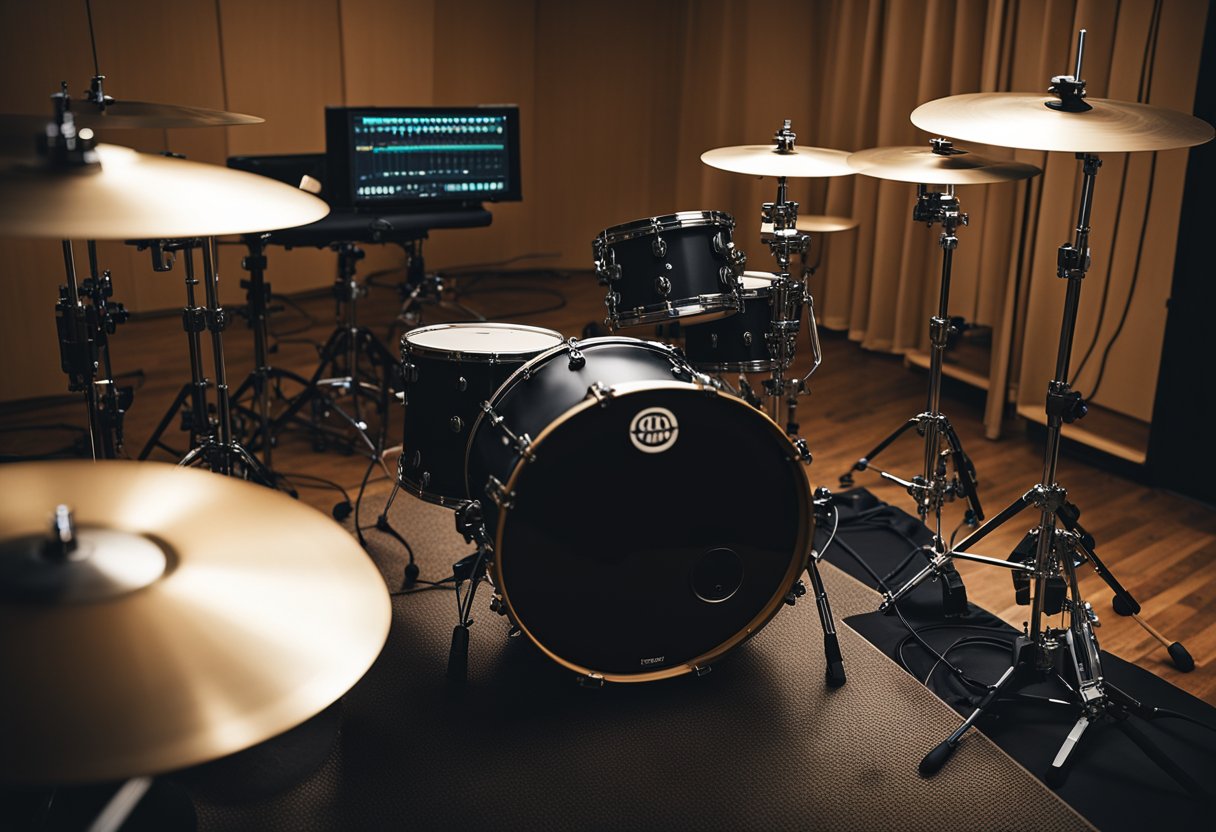
Improving the sound quality of your electronic drums can significantly elevate your drumming experience. Customizing your drum sounds, expanding your drum kit, and utilizing external hardware and software are key ways to achieve this.
Customizing Drum Sounds
Customizing drum sounds allows drummers to achieve a unique and desired tone.
Drum modules often come with preset drum kits, but users can alter individual elements.
Adjusting the volume, pitch, and decay of each drum and cymbal helps create a balanced mix. This can be done directly through the module or by connecting the module to a computer.
Interchangeable sounds let users swap out default kits with more tailored options.
Many modules also support effects and equalization, enabling further refinement of the drum sounds.
Some advanced modules use sensors to detect playing dynamics more accurately, providing a more realistic feel.
Expanding Your Drum Kit
Expanding your drum kit adds versatility and enhances playing options.
Adding add-on pads like extra toms or cymbals can give the set more sound options.
Many electronic drum sets support expansion options, allowing additional pieces to be easily connected.
Upgrading to better-quality accessories like drum pedals and drumsticks can also make a difference.
Certain drum kits come with preset expansion packs, making it easier to integrate new sounds seamlessly.
Enhancements like a kick tower or hi-hat stand can improve the physical setup and comfort.
Using External Hardware and Software
Using external hardware and software can significantly boost the overall sound quality of an electronic drum kit.
USB connectivity enables users to connect their drum module to a laptop for accessing digital audio workstations (DAWs) or other drum software. This expands the range of sound libraries available.
Bluetooth audio options can stream sound wirelessly to speakers or headphones, reducing cable clutter.
Integrating drum machines into the setup can provide more intricate rhythms and patterns.
Finally, investing in an electronic drum amp or drum-specific headphones can improve monitoring and provide clearer audio feedback.
Beyond Practice: Playing with Others
Playing electronic drums goes beyond personal practice and provides opportunities for collaboration, recording, and exploring various music genres. Electronic drums are versatile, enabling drummers to join bands, work in studios, and perform different styles of music.
Joining a Band or Ensemble
Joining a band can enhance your drumming journey.
Bands often look for drummers who can handle various styles and rhythms.
Electronic drums are perfect because they allow drummers to mimic acoustic drum sounds and provide a range of electronic effects.
When joining a band, the drummer should be prepared for rehearsals and live performances.
Electronic drums are beneficial in live settings because they are easy to transport and set up. They also allow for volume control, which is useful for small venues or practice sessions with neighbors around.
Using Electronic Drums in a Studio Setting
In the studio, electronic drums offer numerous advantages for recording.
They can be directly connected to recording equipment, ensuring a clear sound without the need for multiple microphones. This makes the mixing process more straightforward.
Electronic drums also allow for easy editing of drum tracks. If a mistake is made, it is simpler to correct it digitally.
Many producers and mixers appreciate the convenience and flexibility electronic drums provide in the studio.
They are especially useful for genres like hip-hop and electronic music, where precision and specific effects are critical.
The Role of Electronic Drums in Various Music Genres
Electronic drums fit into many music genres, from metal to hip-hop.
In metal, the speed and accuracy required make electronic drums a favorable choice.
They can replicate the powerful sound of acoustic drums while offering additional electronic effects that enhance the music.
In hip-hop, electronic drums provide the beats and rhythms fundamental to the genre.
The ability to program and reproduce consistent beats makes them essential in this style.
Electronic music also greatly benefits from electronic drums, as they can integrate seamlessly with other digital instruments and software.
Using electronic drums in various genres allows drummers to be versatile and adapt to different musical styles. This flexibility makes electronic drums an excellent choice for both beginners and experienced drummers.
Caring for Your Electronic Drum Set

Taking care of your electronic drum set not only ensures a longer lifespan but also protects your investment. Regular cleaning and updates, along with attending to common issues, are essential practices.
Routine Maintenance
Routine maintenance is essential to ensure the longevity of your electronic drum set.
Start by cleaning the pads and cymbals regularly with a soft, damp cloth to remove dust and sweat. Avoid using harsh chemicals, as they can damage the surface.
Check for firmware updates for your drum module.
Manufacturers often release updates that fix bugs and enhance performance. Download these from the official website and install them following the provided instructions.
Proper cable management is also important.
Secure cables to prevent them from getting tangled or damaged. Use zip ties or Velcro straps to keep them organized.
Inspect hardware components like the kick pedal and hi-hat stand for wear and tear.
Tighten any loose screws and lubricate moving parts if necessary to keep everything functioning smoothly.
Troubleshooting Common Issues
Sensor issues can often arise with electronic drum sets.
If a pad is not responding properly, recalibrate the drum module settings or check the sensor for dust and debris.
Cable malfunctions are another common problem.
Test each cable individually to identify any that may need replacing. Damaged cables can cause connectivity problems and affect your drum set's performance.
Facing hardware malfunctions?
Common fixes include tightening loose components or replacing worn-out parts.
For persistent issues, refer to the user manual or contact customer support for specific guidance.
Integrating Drums into Your Lifestyle
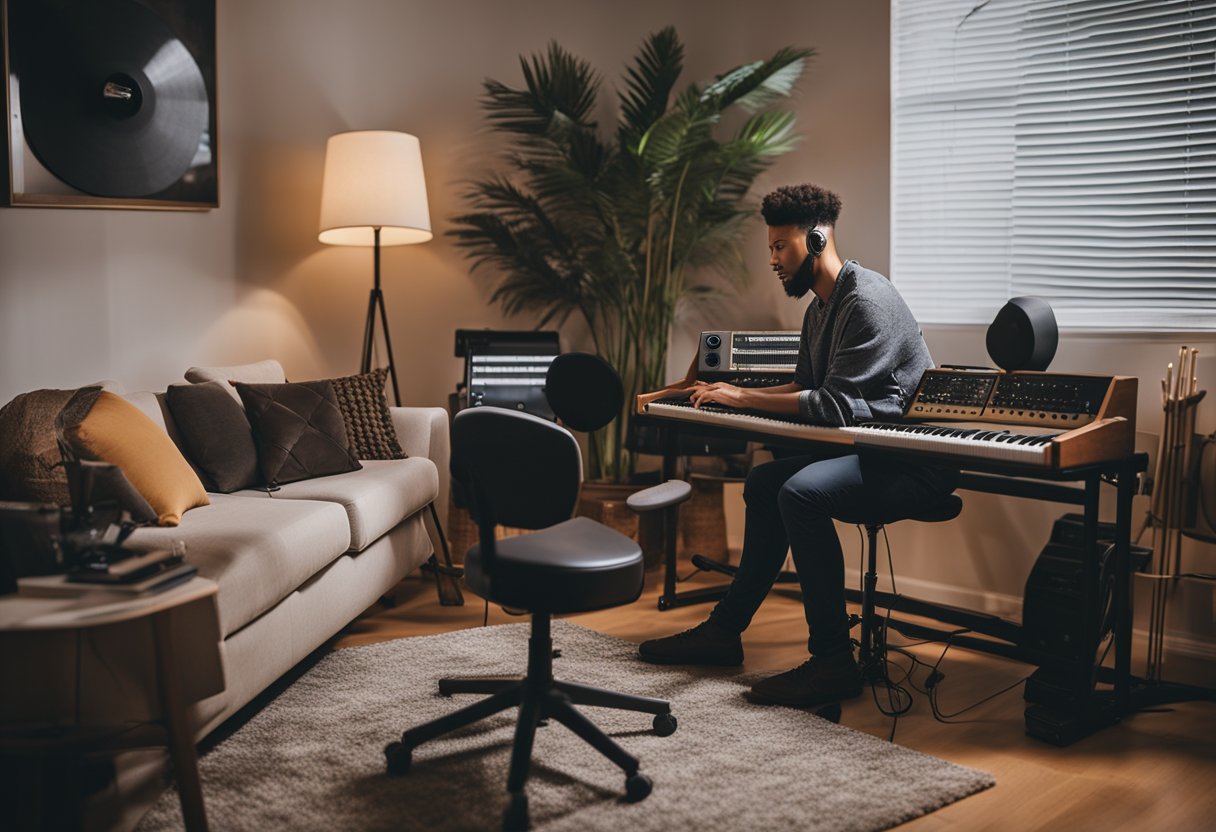
Electronic drums can seamlessly fit into various aspects of life, from educational tools for children to hobbies and even professional careers. They offer flexibility and adaptability, making them suitable for people of all ages and interests.
Electronic Drums for Children and Education
Electronic drums can be a fantastic option for children.
They are quieter than traditional sets, meaning parents and neighbors are less likely to be disturbed. This can make practicing more enjoyable for kids.
The ability to plug in headphones is a significant advantage, allowing practice at any time of day.
Many electronic drum sets come with built-in learning tools and games.
These features are especially useful for beginners, making learning drums more fun and interactive.
Schools can also incorporate electronic drums into their music programs, offering students a modern way to learn percussion.
Parents can support their child's learning by setting up a dedicated practice space at home.
This encourages regular practice and helps develop natural talent.
It's also a good idea to consider lessons with a drum teacher to ensure proper technique and progression.
Electronic Drums as a Hobby
For those looking to pick up drumming as a hobby, electronic drums offer a convenient and flexible option.
They take up less space than acoustic kits and are easier to move and set up.
Additionally, they provide features like various drum sounds and effects, enhancing the enjoyment of playing.
Joining a local drum community or online forums can provide valuable insights and support.
There are many resources available, from beginner tutorials to advanced techniques, making it easier to progress at any pace.
Recreational play can be a great way to relieve stress and enjoy creative expression.
Transforming Your Passion into a Career
For those serious about drumming, electronic drums can be a stepping stone to a professional career. They offer extensive possibilities for professional development. Many professional drummers use electronic kits for live performances and studio recordings due to their versatility and advanced features.
Taking lessons from a drum teacher can help refine skills and teach unique techniques required for professional drumming. Building a strong network within the music community can also open opportunities for gigs and collaborations.
Crafting a career in drumming takes dedication and practice. Electronic drums can provide the tools needed to master drumming and open doors to various career paths, including teaching, performing, and recording. Whether it's through joining a band or becoming a session musician, the possibilities are vast.
Frequently Asked Questions
This section answers some common questions about starting with electronic drums, covering essential features, learning methods, setup, and advantages over acoustic sets.
What are the essential features to look for in an electronic drum kit as a beginner?
Beginners should look for a kit with responsive drum pads, realistic sounds, and durable construction. Built-in practice tools like metronomes are helpful. Brands like Roland offer kits with built-in metronomes, making it easier to practice keeping time.
How can beginners effectively learn to play on an electronic drum set?
Effective learning includes practicing regularly, using structured routines, and focusing on different drumming areas. Even short practice sessions can be beneficial if well-organized. Structured practice plans can help cover essential skills in a consistent manner.
What are some recommended learning apps for beginner electronic drummers?
Using learning apps can be a great way to improve. Apps like Melodics, which offer interactive lessons, are highly recommended. These apps provide immediate feedback and help you practice rhythm and technique.
What is the best way to set up an electronic drum kit for the first time?
Setting up your kit involves positioning the drum pads at comfortable heights and angles. After assembling the hardware, connect it to a power source and any necessary devices like computers or amplifiers. For more details on setup, you can check out guides like this one from Sweetwater.
Are there any benefits of starting with an electronic drum kit over an acoustic set for beginners?
Electronic drum kits are quieter, making them ideal for practicing without disturbing others. They often come with built-in practice features and are easier to transport. Kits like the Roland V-Compact provide a realistic playing experience, close to acoustic sets but with added convenience.
How can beginners integrate playing with music when using electronic drums?
Many electronic drum kits can connect to devices like smartphones. This allows you to play along with your favorite songs. Using a digital audio workstation (DAW) can also enhance your practice sessions. It offers recording and playback options to track your progress.
DISCLAIMER
This document is provided for general information purposes only and should not be relied upon as providing legal advice, technical, or specific operational guidance to the reader, whether as to the practices described in the document or the applicable legal requirements and regulations. Percussion Pros expressly disclaims any responsibility for liability arising from or related to the use or misuse of any information in this document.